
The guide for the crossing

Dra. Nina Dourado
A lawyer trained in Portugal and Brazil, dedicated to the recognition and review of foreign judgments. I know both sides of the border — the system that issued your decision and the one that must confirm it.
The process runs remotely and transparently: every stage recorded in the portal, every movement visible. Each case is handled with the clarity of someone who explains, not someone who complicates.
Fluxia: where the flow meets the crossing
The name came after the concept. First came the monarch — the butterfly that crosses a continent over four generations, each one flying its own stretch and handing the route on. Only then did we look for the word that could say that.
In Portuguese, fluxo is the flow and travessia is the crossing. Fluxia is where the two words meet. A flow is what keeps moving — it does not stop, it follows its course. A crossing has a shore of departure and a shore of arrival. Recognising a foreign judgment is exactly that: a decision that already exists, in motion, until it is valid on the other side.
And, as with the monarch, what crosses is rarely a single flight. It is a right handed on — from the couple to the children, from the children to the grandchildren.
Automation is respect for your time. The case runs in the portal — you follow every movement without depending on a phone call. Fewer meetings, more progress; less improvisation, more record.
Assessment
You send the essentials of your case through the form. We return the path, the timeline and the figure — no commitment.
Contract in the portal
You receive and accept the contract inside your private area, in writing, before any payment.
Documents online
Upload everything through the portal: no mail, no notary, no physical paper changing hands.
Follow-up
Every movement of the case stays visible in the portal — from filing to final judgment.
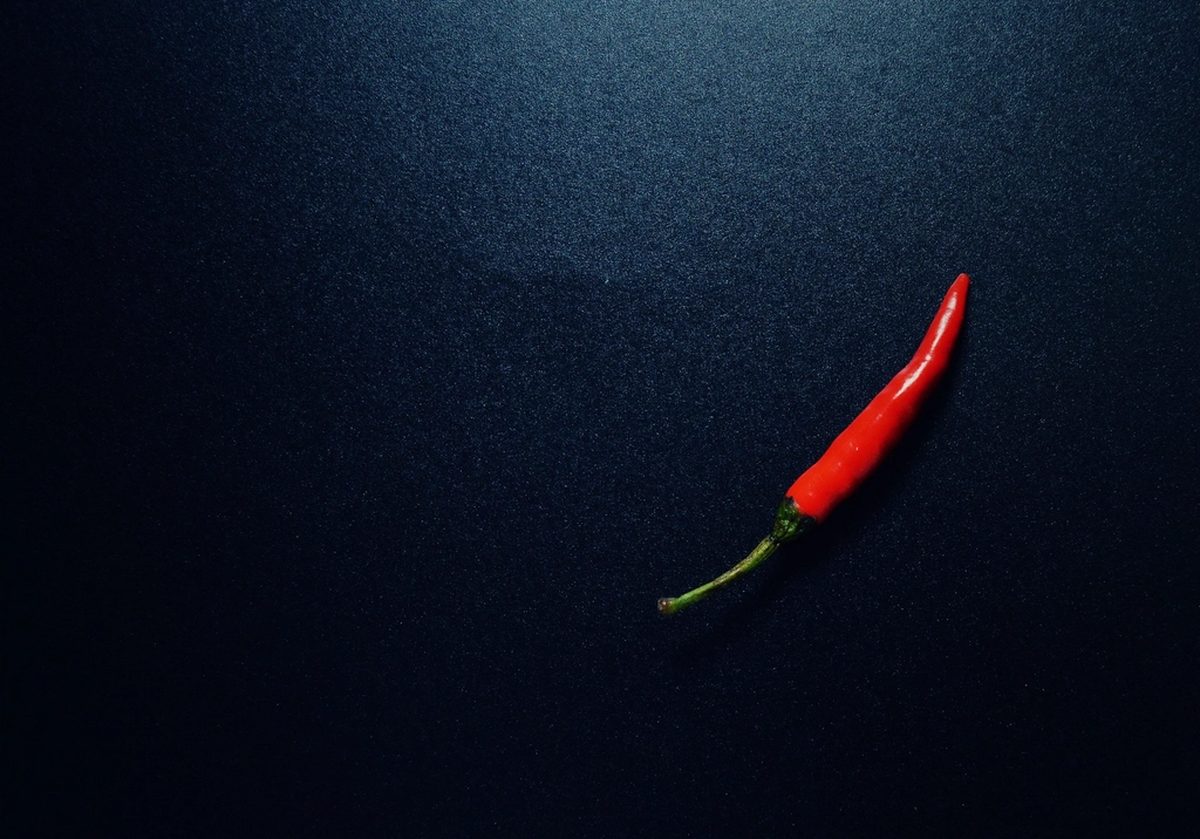
One seed crossed the world and became home in three cultures.
The chili was born in the Americas. The Portuguese carried it to Africa and India — and it became piri-piri in Mozambique, vindaloo in Goa, a household spice in Lisbon. A seed that crossed the world and came to belong to every port it reached.
That is what recognition does: what came from abroad comes to be from here — without ceasing to be what it was.